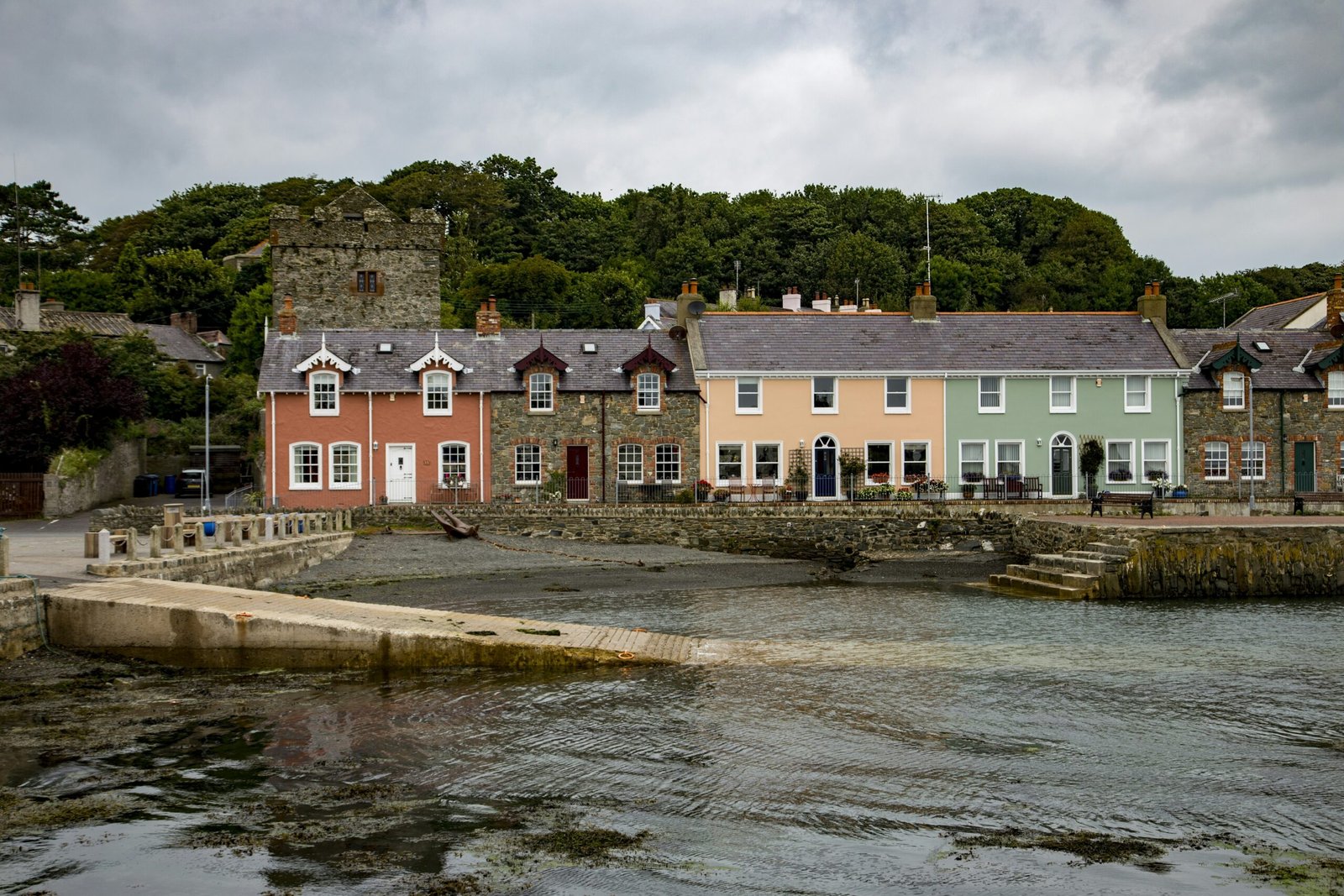
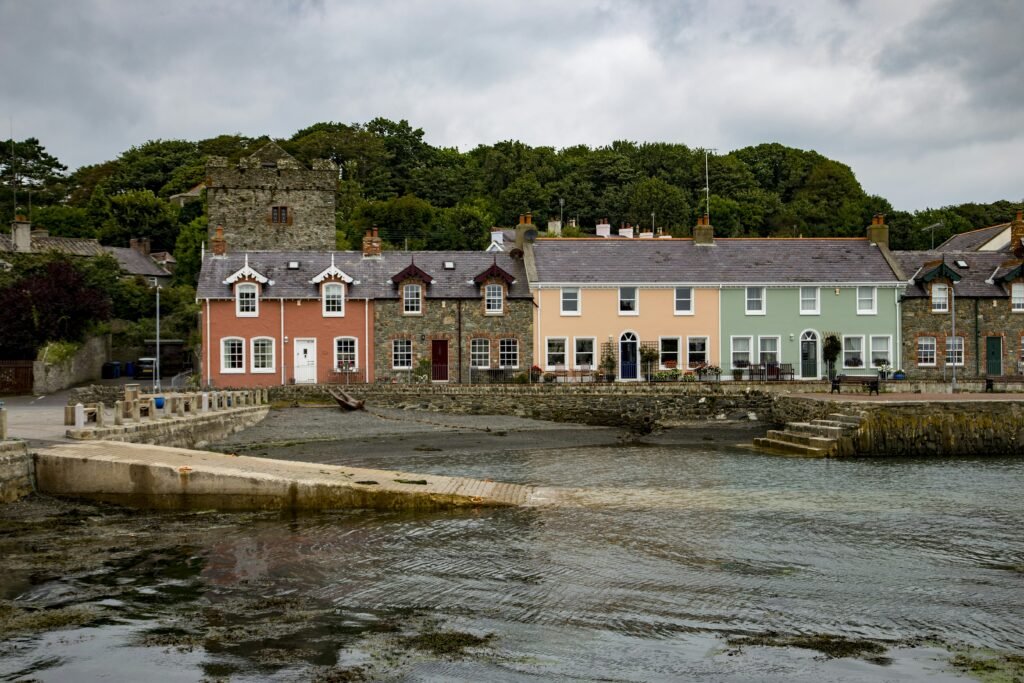
For generations of British holidaymakers, the ultimate escape isn’t a modern apartment or a luxury lodge—it’s the charming, slightly wonky, character-filled coastal cottage. These properties, often built from local stone or granite, nestled in coves, or perched precariously on clifftops, embody the nostalgia of a traditional seaside holiday.
If you are considering a second home property investment, the coastal cottage offers a powerful blend of emotional appeal and financial potential. However, this romantic image comes with a unique set of challenges.
At uk2ndhomes.co.uk, we help investors look beyond the sea view to understand the full reality. Here is a detailed examination of the advantages and disadvantages of investing in a coastal cottage as a second home and holiday let.
Part I: The Undeniable Advantages of the Coastal Cottage
The cottage market is driven by powerful, almost irresistible forces that contribute to high demand, excellent rental yields, and robust long-term value.
1. Unmatched Character and Emotional Appeal
In the holiday letting market, character commands a premium. Modern new builds offer convenience, but a coastal cottage offers an experience.
- Premium Pricing: Guests are willing to pay significantly more for the romantic charm of thick stone walls, low-beamed ceilings, original sash windows, and a log burner—especially outside of peak season. This premium appeal translates directly into higher Average Daily Rates (ADR).
- Year-Round Demand: While modern homes rely on sunny weather, cottages excel in the “cosy core” of autumn and winter. Features like roaring fires, historic architecture, and secluded settings make them ideal for romantic or restorative off-season breaks, extending your profitable letting window.
- Memorable Stays: Cottages create the kind of memorable, Instagrammable holiday that leads to excellent reviews and high rates of repeat bookings, reducing your marketing costs over time.

2. Robust and Reliable Capital Appreciation
Unlike mobile homes or short-lease apartments, a well-maintained freehold cottage is often considered a safe haven for capital.
- Scarcity of Stock: Coastal planning restrictions make it almost impossible to build new homes directly in the most desirable historic harbours and coves where many cottages are located. This scarcity creates enduring demand and protects your asset value.
- Intrinsic Value: These properties often sit on highly desirable plots of land and are valued not just for the building, but for their location and architectural style. They tend to hold their value exceptionally well, even during market fluctuations.
- The “Dream Tax”: The emotional value attached to a historic seaside home means buyers (and renters) often pay a premium for the lifestyle it promises, leading to faster capital growth than comparable inland or newer properties.

3. Favourable Local Authority Rating (Business Rates)
Although the main tax regime has changed (see Part II), meeting local letting criteria still provides a key advantage for local taxation:
- Small Business Rate Relief (SBRR): If your property meets the local availability and letting criteria (typically available for 140 days and let for 70 days per year), it will be assessed for Business Rates instead of Council Tax. Many properties qualify for SBRR, which can reduce your bill to zero—a substantial saving over paying the standard Council Tax premium for a second home.
4. Strong Market Differentiation and Branding
In a crowded holiday rental market, a coastal cottage is a self-defining brand. Its character makes marketing simpler and more effective.
- Easy Photo Appeal: The aesthetic charm of a cottage translates effortlessly into stunning photographs, making listings stand out immediately on platforms like Airbnb, Booking.com, and local agency sites.
- Targeted Audience: You attract a discerning guest base who appreciates authenticity, character, and tranquility, often leading to better guest behaviour and fewer issues than the mass-market rental sector.

Part II: The Significant Disadvantages and Challenges
While the rewards are substantial, investing in a coastal cottage requires a greater commitment to maintenance, administration, and initial capital outlay compared to a modern property.
1. High Initial Purchase and Restoration Costs
The very charm that drives up rental rates also drives up the purchase price and the cost of bringing the property up to modern standards.
- Premium Price Tag: Cottages in prime locations (like St Ives, Salcombe, or Whitby) are often the most expensive property type per square foot in the area.
- The “Hidden Cost of Character”: Older, non-standard construction methods (e.g., solid stone walls, lime mortar, slate roofs) require specialist labour and materials for maintenance and repair, making tradespeople scarcer and more expensive.
- Upgrading Challenges: Integrating modern amenities like fast Wi-Fi, efficient heating, adequate soundproofing, or compliant electrical systems into an old building can be difficult, disruptive, and costly.
2. Ongoing Maintenance and Coastal Degradation
The charm of a coastal location is the cottage’s biggest enemy when it comes to longevity and maintenance.
- Salt, Wind, and Damp: Being near the sea accelerates degradation. Salt air corrodes metal fixings, attacks render and stone, and humidity increases the risk of damp and mould. Paintwork, window frames, and roofing require replacement far more frequently than inland properties.
- Insurance Complexity: Coastal properties, particularly those in flood-risk areas or with non-standard construction (like thatched roofs or cob walls), can be more expensive and complicated to insure.
- Access and Parking: Many historic fishing cottages were built before the invention of the car. Lack of dedicated, on-site parking is a major inconvenience for guests and can be a significant drag on both rental and resale values. Poor access can also make deep cleans and maintenance difficult.
3. Limited Space and Layout Constraints
The traditional design of a cottage often clashes with the expectations of modern holiday renters.
- Small Rooms and Low Ceilings: Guests expect open-plan living and spacious bedrooms, but cottages often feature small, dark rooms, narrow hallways, and steep, winding staircases.
- Lack of Modern Amenities: It is often physically impossible to fit a second bathroom, a downstairs WC, or a utility room, which can limit your appeal to larger groups or families.
- Energy Efficiency: Many cottages have poor Energy Performance Certificate (EPC) ratings. While character helps, low ratings can be a deterrent to both eco-conscious renters and future buyers as regulations tighten.
4. Local Regulation and Community Sensitivity
Coastal cottages often attract specific attention from local councils and resident groups.
- “Holiday Use Only” Covenants: Some newer cottage developments or properties in designated areas may have covenants restricting their use to holiday letting, which must be strictly adhered to.
- Council Tax/Business Rate Pressure: Due to the severe local housing shortages in many desirable coastal areas, local authorities are increasingly scrutinizing the classification of second homes, sometimes raising additional council tax premiums.
- Anti-Second Home Sentiment: In some villages, a high concentration of holiday cottages has led to local political action or community resentment.

Part III: Navigating Taxation (Updated for Post-April 2025 Rules)
The Furnished Holiday Lettings (FHL) tax regime was abolished in April 2025. All holiday properties are now treated as part of your standard property business for Income Tax and Capital Gains Tax (CGT).
1. Income Tax on Rental Profits (New Rules)
Your property is now treated the same way as a long-term Buy-to-Let property:
- Finance Cost Restriction: You can no longer deduct the full mortgage interest against your rental income. Relief is restricted to a basic rate tax credit (20%) on your finance costs.
- Capital Allowances: You generally cannot claim Capital Allowances (for fixtures and fittings) on new expenditure.
- Replacement Relief: You can still claim Replacement of Domestic Items Relief on like-for-like replacements of furniture, appliances, and soft furnishings, in line with standard residential letting rules.
2. Capital Gains Tax (CGT) on Disposal
With the abolition of FHL status, the previously available beneficial reliefs have been removed:
- Reliefs Removed: You are no longer eligible for key tax reliefs like Business Asset Disposal Relief (BADR), Rollover Relief, or Gift Hold-Over Relief on the sale of your holiday property.
- Standard CGT Rates Apply: Any gain made on the sale of your holiday home will be subject to the standard residential property CGT rates.
3. Key Transitional Note
If your property was an FHL before April 2025, some claims and benefits (such as the ability to utilize existing Capital Allowance pools) are subject to complex transitional rules. Accurate tax advice is essential to ensure you do not miss any remaining opportunities related to past expenditure.
Conclusion: Is the Coastal Cottage Right for You?
Investing in a coastal cottage is less about a quick financial return and more about acquiring a heritage asset that offers a premium, stable rental income stream and strong long-term capital preservation.
The choice hinges on your investor profile:
- Choose a Cottage if: You have access to sufficient capital for high purchase prices and necessary renovations; you are prepared for significant, ongoing maintenance costs; and your priority is owning an authentic, character-filled asset with high-demand, year-round appeal.
- Consider Alternatives if: Your budget is tight; you prioritize low maintenance and high energy efficiency; or you prefer a straightforward, purely financial investment model under the new tax rules.
The coastal cottage is a long-term labour of love. It demands commitment, but it rewards with a rental product that is uniquely resilient and deeply attractive to the discerning UK holiday market. By understanding the tax implications and the maintenance burden upfront, you can ensure that your charming coastal cottage remains both a profitable investment and a source of personal pride for years to come.
Disclaimer: The tax information provided here is for general guidance only and is not financial or legal advice. Tax laws and transitional rules are complex. As the FHL regime has recently been abolished, you must seek professional advice from a qualified accountant or tax advisor.