The Lakeland Dream: Investing in a Holiday Home in the Lake District.
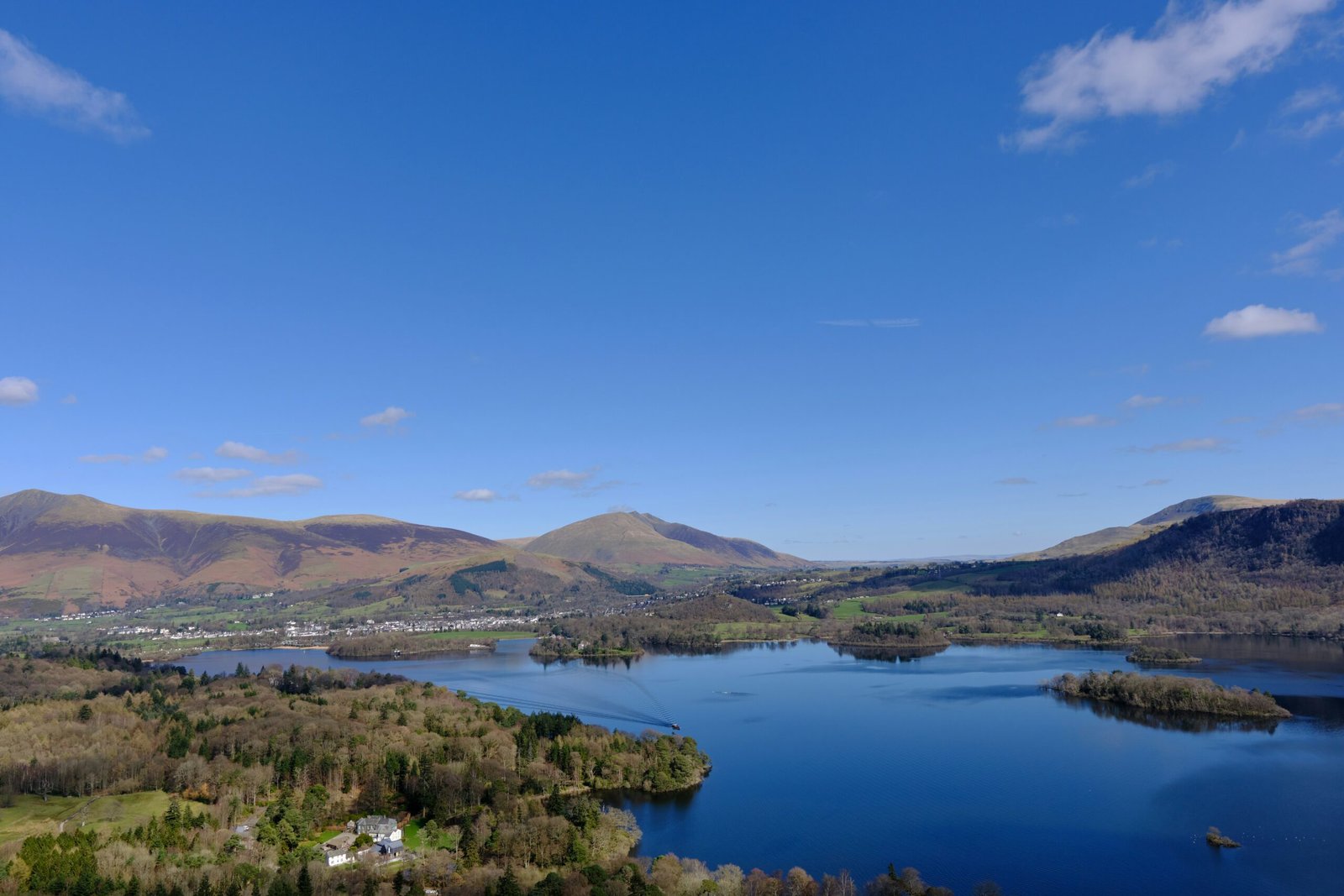
The Lake District National Park, a land defined by dramatic fells, serene waters, and charming stone villages, is arguably the pinnacle of UK staycations. As a UNESCO World Heritage Site, its reputation is unmatched, ensuring a deep and enduring pool of potential visitors throughout the year.
For the savvy investor, this natural beauty translates directly into a robust holiday let market. However, where there is high demand, there is also high competition, higher costs, and increasing regulatory scrutiny. This objective guide explores the multifaceted reality of owning a holiday home in this iconic Cumbrian landscape.
Part 1: The Pros and Cons of Lakeland Investment.
The Peaks (Pros)
Investing here is fundamentally a lifestyle-driven business. You are buying an asset in one of the world’s most beautiful locations, which comes with significant advantages and unique operational challenges
Year Round Demand
Unlike purely coastal resorts, the Lake District offers activity in all seasons. Summer is peak, but walkers, hikers, and wellness tourists keep properties busy during the “shoulder seasons” (spring/autumn) and even mid-winter, guaranteeing a stronger annual occupancy rate.
High Rental Income Potential
Cumbria consistently ranks among the UK’s top-performing holiday let regions. Market data indicates median annual gross revenues for well-managed properties in prime areas like Keswick and Bowness often range from £35,000 to over £50,000, with top-tier, large properties earning significantly more.
Robust Capital Growth
Due to the National Park status, building is highly restricted, meaning supply is fixed while demand remains high. This inherent scarcity makes Lakeland property values historically resilient and supports strong long-term capital appreciation.
Personal Use Benefit
You own a personal retreat in a place you genuinely want to visit. The ability to block out time for your own holidays is a priceless benefit often factored into the total return.
Strong Occupancy
While the national average hovers around 60%, prime Lake District locations regularly see occupancy rates of 65% to 75% in high season, with well-equipped, best-in-class properties (e.g., those with hot tubs) exceeding these figures.
The Vallleys (Cons)
High Purchase Price
Property prices in the National Park are among the highest in the North of England, driven up by second home demand. Your initial capital outlay and subsequent mortgage costs will be substantial.
Operational Intensity
A holiday let is a business, not a passive investment. It requires frequent changeovers, deep cleaning, laundry services, and rapid maintenance responses. If you self-manage, this is time-consuming; if you use an agent, expect management fees of 15% to 25% of your gross income.
Higher Running Costs
Wear and tear from frequent guest usage increases maintenance budgets. Insurance, utility bills, and services (like Wi-Fi and TV licensing) must be covered 365 days a year, regardless of occupancy.
Mortgage Hurdles
You will require a specialist Holiday Let Mortgage, which typically demands a minimum 25% deposit and requires the lender to assess the projected rental income against the mortgage repayment, not just your personal salary.
Regulatory Uncertainty
Local authorities are actively introducing policies to address the housing crisis. Investors face risks from planning restrictions (limiting short-term letting) and, most notably, a tightening tax environment (see Council Tax section below).
Part 2: The Lakeland Property Landscape
The Lake District offers diverse property types, but your choice should align perfectly with your target audience (couples, families, or large groups).
Traditional Cumbrian Cottages
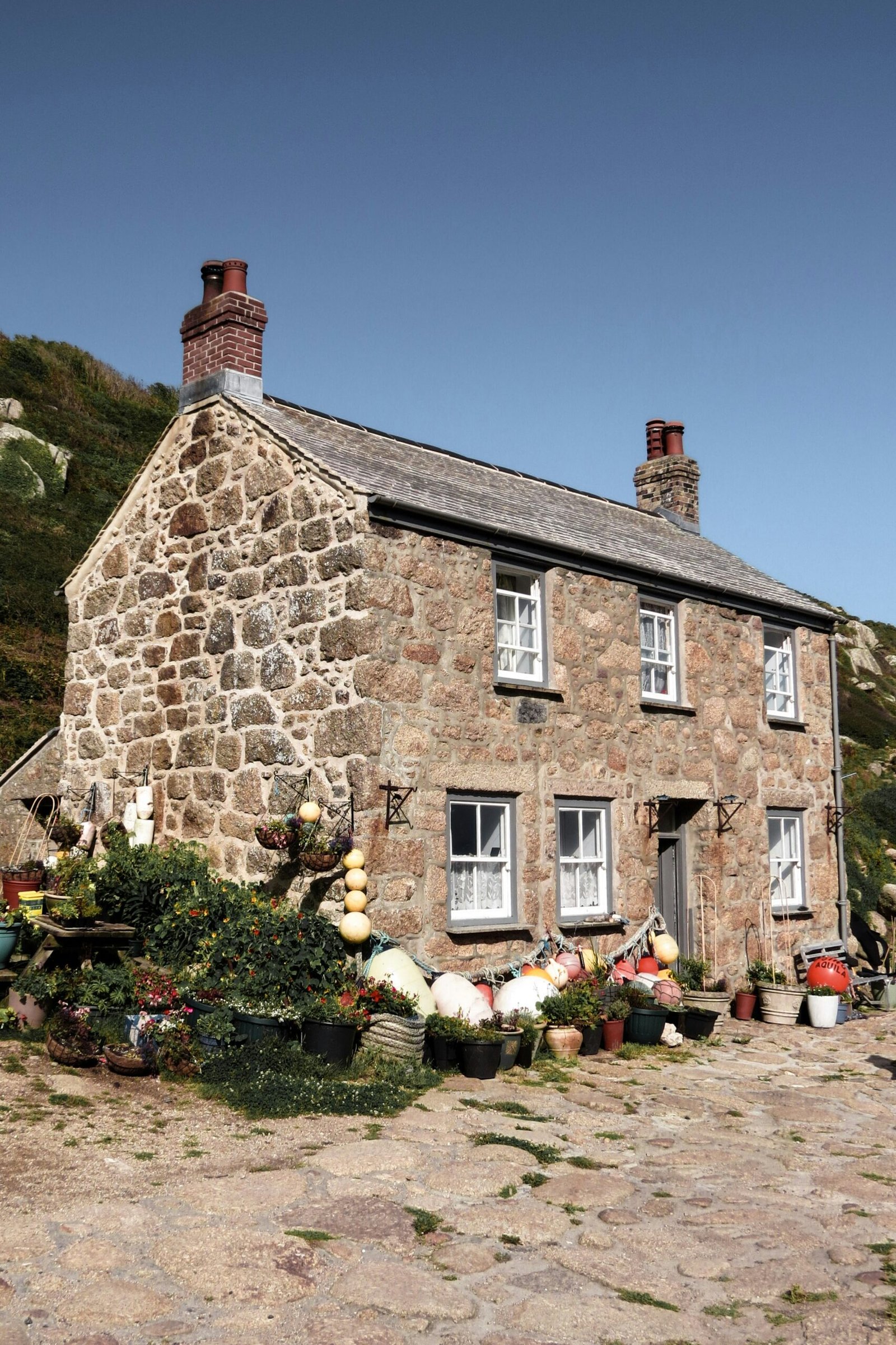
The quintessential Lakeland property. Characterised by slate roofs, thick stone walls, log burners, and original features like exposed beams. They are highly sought after by tourists looking for an authentic, cosy experience.
Target Audience: Couples and small families
Investment Angle: Strongest yields and desirability. They command premium rates, especially if renovated to a high standard with luxury fittings (e.g., modern kitchens, high-speed Wi-Fi). Challenges often lie in maintenance (damp, old plumbing) and ensuring accessibility.
Houses and Townhouses
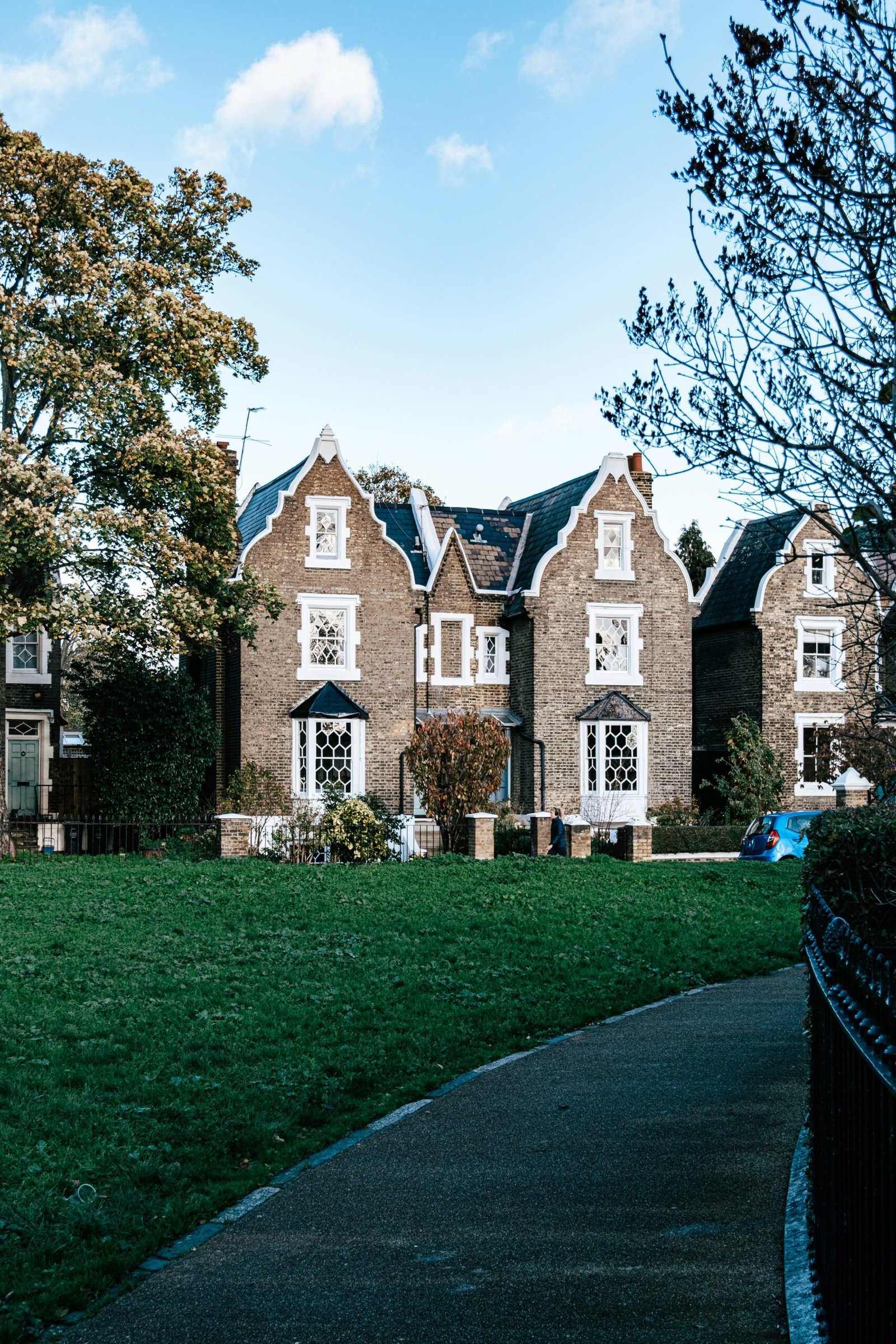
Larger Victorian or Edwardian terraced houses, particularly common in market towns like Kendal, Keswick, and Windermere. Many are now divided into apartments, but some remain as large, high-capacity lets.
Target Audience: Large families, extended groups, and multi-generational parties (4+ beds).
Investment Angle: Highest absolute revenue potential. These properties can charge premium weekly rates, especially if they offer key features like multiple bathrooms, private parking, and a games room or hot tub for entertainment. They thrive on the group-holiday market.
Apartments and Flats

Found in converted manor houses, town centre buildings, or purpose-built residential blocks, especially in the larger tourist hubs like Bowness-on-Windermere and Ambleside.
Target Audience: Couples and budget-conscious travellers seeking short, activity-based breaks.
Investment Angle: Lower purchase price and lower running costs. While the nightly rate is lower, efficiency is high. They are less maintenance-intensive but may face leasehold restrictions that prohibit or limit short-term letting—a critical point for your solicitor to check.
Holiday Lodges (Parks)
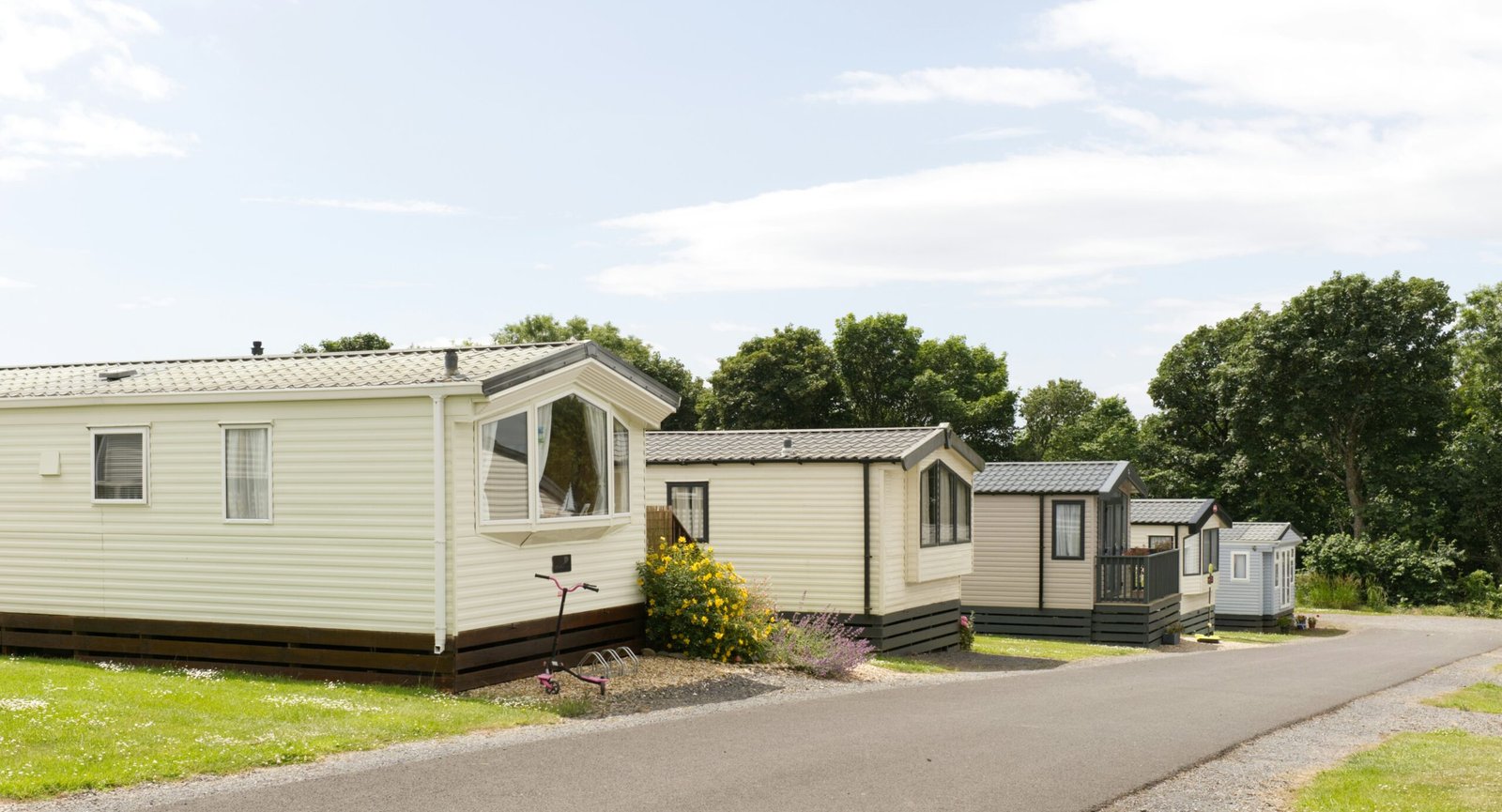
Modern, often high-specification log cabins or lodges located within purpose-built holiday parks (e.g., near Windermere or the fringe of the National Park).
Target Audience: Families looking for amenity access (pools, restaurants) and high luxury.
Investment Angle: Guaranteed income, lower stress. Many come with an option for guaranteed rental returns via the park operator, making them a more hands-off investment. However, you are buying a depreciating asset (not land), and you must account for annual site fees and strict lease conditions.
Part 3: Location, Location, Location
The Lakes offer diverse micro-markets. Your choice of village dictates the type of guest you attract and your achievable nightly rate.
Windermere / Bowness-on-Windermere
Vibe & Audience
The vibrant tourist hub. Busy, commercial, and ideal for first-time visitors, families, and those relying on steamers and attractions (Beatrix Potter World).
Investment Profile
Highest Occupancy. High visibility, but prices are top-end. Ideal for apartments and small, well-furnished cottages.
Ambleside
Vibe & Audience
A bustling village at the head of Windermere. Very popular with walkers, cyclists, and the university crowd. Excellent pubs and restaurants.
Investment Profile
High Year-Round Bookings. Strong short-break appeal due to accessibility and proximity to central fells.
Keswick
Vibe & Audience
The “Capital of the North Lakes.” Dog-friendly, surrounded by Derwentwater and Skiddaw. Appeals to serious hikers and outdoor enthusiasts.
Investment Profile
Excellent ADR (Average Daily Rate). Known for attracting affluent, active tourists. Good balance of town amenities and remote access.
Grasmere
Vibe & Audience
Quaint, historical village famous for William Wordsworth and gingerbread. Quieter, romantic, and popular with couples.
Investment Profile
Premium for Character. High prices for small, charming cottages. Success relies on high-quality interiors and a romantic atmosphere.
Coniston / Hawkshead
Vibe & Audience
More remote, traditional villages offering a truly tranquil escape. Attracts true nature lovers and those escaping crowds.
Investment Profile
Lower Volume, Higher Price. Occupancy is typically lower than Windermere but can charge a premium for peace, seclusion, and unique views.
Part 4: The Crucial Tax Reality Check
The financial landscape for second home owners in the Lake District (Cumbria, specifically the local councils of Westmorland and Furness / Cumberland) has fundamentally changed. The days of easy tax advantages are over.

1. Council Tax vs. Business Rates
To avoid paying the local residential Council Tax, your property must officially be classed as a Self-Catering Accommodation and be liable for Business Rates
To qualify for Business Rates (in England, since April 2023), the property must meet all three strict criteria:
1. It must be available to let commercially for short periods totalling at least 140 days in the coming year.
2. It must have been available to let for short periods totalling at least 140 days in the previous year.
3. It must have been actually let commercially for short periods totalling at least 70 days in the previous year.
Crucial Note: If you fail to meet the 70-day actual letting threshold, the property reverts to being liable for Council Tax, which is where the next issue arises.
2. The Second Home Council Tax Premium (The 200% Bill)
Local authorities in the Lake District, such as the new Westmorland and Furness Council, have implemented a substantial Council Tax premium on second homes (furnished properties that are not a main residence).
• From April 1st, 2025, a premium of up to 100% additional Council Tax is being charged. This means owners of second homes that do not qualify as genuine, actively run holiday lets may face a total Council Tax bill of 200% of the standard rate.
This change is the single biggest factor pushing investors towards professional management and high occupancy targets. The choice is stark: successfully run a commercial letting business and pay Business Rates (which may qualify for relief), or use it purely personally and pay double the Council Tax.
3. The End of Furnished Holiday Let (FHL) Tax Status
While not Lakeland-specific, the UK Government announced the abolition of the special Furnished Holiday Let (FHL) tax regime from April 2025. This removes major financial benefits, including:
• The ability to claim Capital Allowances on furniture and fixtures.
• Favourable Capital Gains Tax (CGT) treatment upon sale (e.g., Business Asset Disposal Relief).
• The ability to offset 100% of mortgage interest against rental income.
The removal of FHL status, combined with the local Council Tax premium, necessitates a detailed financial review with a specialist accountant to ensure the investment remains viable under the new, stricter tax environment.
Final Verdict: Is the Lake District Still a Safe Haven?
The Lake District remains a high-value, high-demand investment location, but it is no longer a passive ‘set-and-forget’ option.
• For the Lifestyle Investor: If your primary goal is personal enjoyment and capital growth, be prepared for substantial purchasing and annual holding costs, including a 200% Council Tax bill if you don’t rent it out sufficiently.
• For the Commercial Investor: Success depends entirely on a professional, high-occupancy business model. The market rewards luxury, unique features (hot tubs, views), excellent management, and strategic pricing. To navigate the tax environment, meeting the 70-day letting threshold is non-negotiable.
The Lakeland dream is alive, but today, it requires not only a large investment but also an even larger commitment to running a genuine, efficient, and fully compliant tourism business.