Cornwall. Just the name conjures images of rugged coastlines, golden sands, turquoise waters, and charming fishing villages. It’s a place of wild beauty and a deep-rooted sense of history, consistently topping the charts as one of the UK’s most beloved holiday destinations. For many, the dream of owning a piece of this Cornish paradise isn’t just about idyllic getaways; it’s a shrewd investment, a lifestyle choice, and a legacy.
But buying a holiday home here is more than just falling in love with a view. It requires careful consideration of locations, property types, market dynamics, and the often-complex world of taxation. At UK2ndhomes.co.uk, we’re here to guide you through every wave of the journey, helping you make an informed decision that brings both joy and financial reward.
Are you ready to dive into the specifics of making your Cornish dream a reality?
Cornwall’s Coastal Gems: Exploring Prime Locations
Cornwall is wonderfully diverse, with each region offering a unique flavour. Your ideal location will depend on your priorities: rental potential, personal use, lifestyle, and budget.
1. North Coast: Surfer’s Paradise & Family Fun
-
- Highlights: Dramatic cliffs, expansive sandy beaches, world-class surfing. Popular towns include Newquay, Padstow, Polzeath, and St Ives.
- Vibe: Bustling, energetic, especially in summer. Great for active families, watersports enthusiasts, and those seeking vibrant nightlife and restaurant scenes.
- Property Types: A mix of modern apartments, traditional granite cottages, and larger family homes. Newquay offers more contemporary options, while places like Padstow have a higher concentration of luxury properties.
Advantages:
-
- High Demand: Strong rental demand, particularly from families and surfers. Newquay is consistently one of the UK’s top holiday hotspots.
- Activities Galore: Abundance of beaches, surf schools, coastal paths, and tourist attractions.
- Accessibility: Good road links (A30) and railway connections to major towns.
- Disadvantages:
-
- Peak Season Crowds: Can get very busy, especially in July and August.
- Higher Prices: Popular areas like St Ives and Padstow command premium prices.
- Weather Exposure: More exposed to Atlantic winds and storms in winter.

2. South Coast: Tranquil Harbours & Lush Estuaries
-
- Highlights: Sheltered coves, picturesque fishing villages like Fowey and Looe, gentle estuaries, and subtropical gardens. The Roseland Peninsula is particularly serene.
- Vibe: More sedate and refined than the North Coast. Ideal for sailing, kayaking, walking, and those seeking a peaceful escape.
- Property Types: Characterful cottages, riverside homes, and often larger, more secluded properties with stunning views.
- Advantages:
-
- Natural Beauty: Exceptionally beautiful, often described as the “Cornish Riviera.”
- Sheltered: Generally milder weather, especially in winter, thanks to the Gulf Stream.
- Boating Haven: Perfect for those interested in watersports like sailing.
-
- Disadvantages:
-
- Less Surf: Fewer expansive surfing beaches.
- Can be Quieter Off-Season: Some villages can feel very quiet outside of peak times.
- Accessibility: Some areas can be more challenging to reach via narrow country lanes.
-
3. West Cornwall: Artistic Hubs & Dramatic Landscapes
-
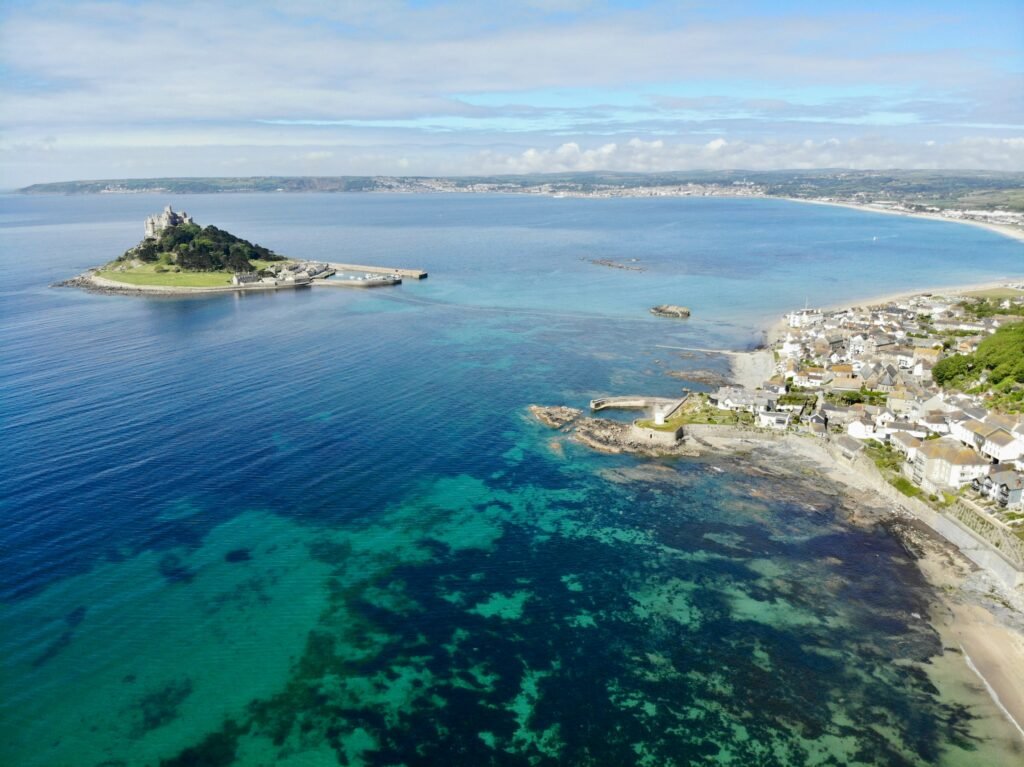
- Highlights: Iconic landmarks like St Michael’s Mount, the artistic communities of St Ives and Mousehole, the dramatic Land’s End peninsula, and the wild beauty of the Penwith coastline.
- Vibe: A blend of artistic flair, ancient history, and raw, untamed nature.
- Property Types: Fishermen’s cottages, granite houses, and some modern developments. St Ives, in particular, has many desirable, compact properties.
- Advantages:
-
- Unique Culture: Rich artistic heritage (Tate St Ives, Barbara Hepworth Museum).
- Stunning Scenery: Some of Cornwall’s most iconic and dramatic landscapes.
- Tourist Appeal: Strong draw for cultural tourists and walkers.
-
- Disadvantages:
-
- Remoteness: Can feel quite isolated, especially beyond Penzance.
- Accessibility: Further journey time from central UK.
- Traffic: Roads around popular areas like St Ives can get extremely congested in summer.
-
Property Types: Weighing Your Options
The type of property you choose will significantly impact your lifestyle, rental income, and maintenance responsibilities.
1. Traditional Cornish Cottage (Granite or Stone)
-
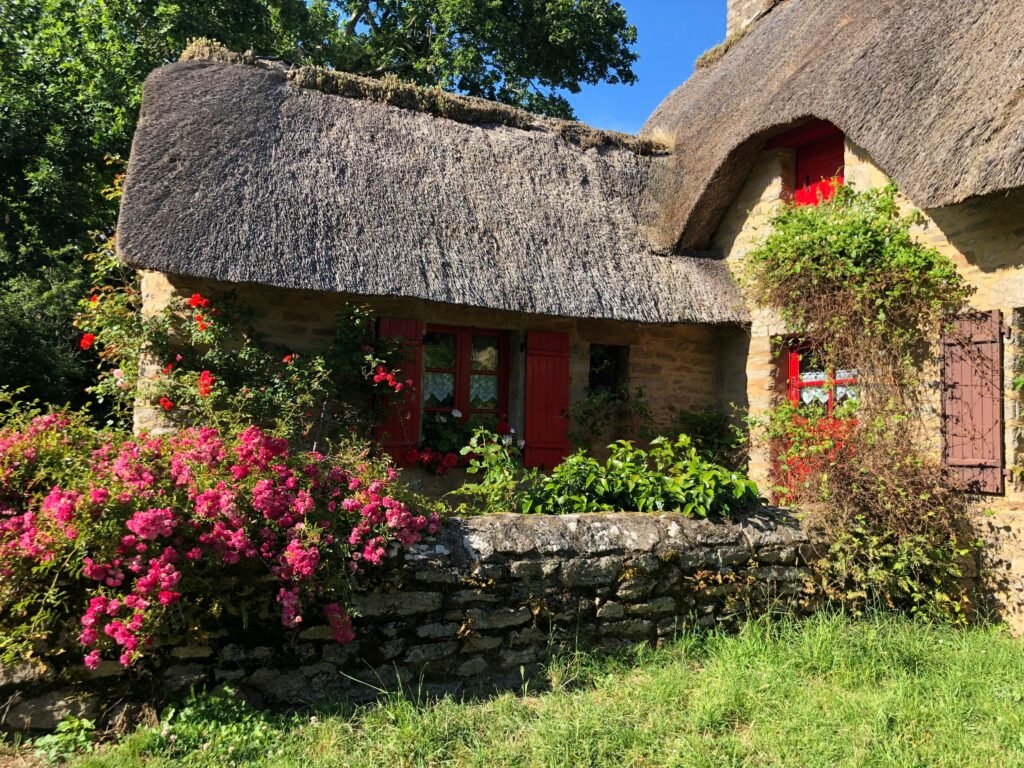
- Description: Often centuries old, full of character with thick walls, low ceilings, and original features. Typically found in villages and older parts of towns.
- Advantages:
-
- High Appeal: Extremely popular with holidaymakers seeking an authentic Cornish experience.
- Character & Charm: Unique aesthetics and a strong sense of history.
- Potential for Appreciation: Often hold their value well due to desirability and scarcity.
-
- Disadvantages:
-
- Maintenance: Can require more ongoing maintenance (e.g., damp proofing, roof repairs, older heating systems).
- Space: Often smaller rooms, limited modern conveniences (e.g., small bathrooms, no off-road parking).
- Heating Costs: Can be less energy-efficient.
- Renovation: May require significant investment to update for modern living and rental standards.
-
2. Modern Apartment or New-Build House
-
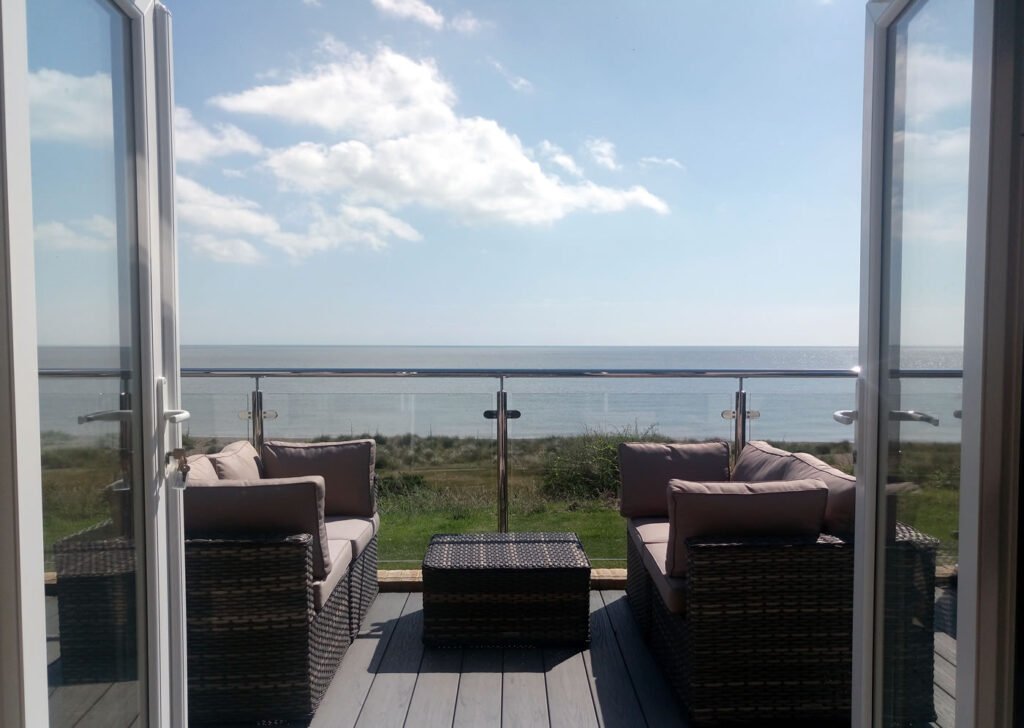
- Description: Contemporary design, often part of purpose-built complexes or new developments. Can range from sleek studio apartments to spacious family homes.
- Advantages:
-
- Low Maintenance: Typically energy-efficient with modern appliances and less immediate upkeep.
- Amenities: Often come with shared facilities like swimming pools, gyms, or designated parking.
- Rental Appeal: Highly attractive to those seeking comfort, convenience, and contemporary style.
- Fewer Surprises: Less likely to encounter unexpected structural issues.
-
- Disadvantages:
-
- Character: May lack the unique charm of older properties.
- Service Charges: Apartments often incur annual service charges for communal areas and building maintenance.
- Less Private: Closer proximity to neighbours in complexes.
- Uniformity: Can feel less unique compared to a traditional cottage.
-

3. Holiday Park Lodges/Static Caravans
-
- Description: Located within dedicated holiday parks, offering a range of facilities. Lodges are often more spacious and luxurious than static caravans.
- Advantages:
-
- Managed Services: Parks often handle maintenance, cleaning, and sometimes even bookings.
- Facilities: Access to swimming pools, restaurants, entertainment, etc., which is a huge draw for families.
- Lower Initial Cost: Generally more affordable than bricks-and-mortar properties.
- Community: A ready-made holiday community.
-
- Disadvantages:
-
- Leasehold/Site Fees: You typically own the unit but lease the land, incurring annual site fees.
- Depreciation: Static caravans usually depreciate in value, unlike freehold properties. Lodges can hold value better, but generally not as well as houses.
- Restrictions: “Holiday use only” covenants prevent full-time residency.
-
Limited Personalisation: Less scope for individual architectural changes.
Occupancy Rates & Seasonality: Understanding the Rental Market
Cornwall’s tourism is highly seasonal, which directly impacts holiday let occupancy and income.
-
- Peak Season (July-August): Expect near 100% occupancy in desirable properties and locations. This is when you can charge premium rates.
- Shoulder Seasons (April-June, September-October): Still strong, especially during school holidays and bank holiday weekends. Many visitors appreciate the milder weather and fewer crowds. Occupancy can range from 60-85%.
- Off-Season (November-March): Generally quieter, with lower rates and occupancy 20-50%. However, properties with features like hot tubs, log burners, or stunning sea views can attract couples and small groups seeking cosy winter breaks. Christmas, New Year, and February half-term can see spikes.
Maximising Occupancy:
To achieve good year-round occupancy, consider:
-
- Property Features: Hot tubs, log burners, pet-friendliness, sea views, high-speed Wi-Fi, and dedicated workspaces are increasingly popular.
- Marketing: High-quality photos, detailed descriptions, and listing on multiple platforms (e.g., Airbnb, Booking.com, local agencies).
- Flexible Bookings: Offer shorter stays (2-3 nights) in the off-season.
- Targeting: Market to different demographics (e.g., walkers, surfers, foodies) outside peak family holiday times.
Up-to-Date Housing Costs in Cornwall
Cornwall’s property market has seen significant growth in recent years, driven by increased demand for lifestyle changes and the rise of remote working. However, prices vary wildly by location, size, and type of property.
As of early 2024, here’s a general overview (these are averages and can fluctuate):
-
- Average Detached Home: £450,000 – £650,000 (significantly higher in prime coastal spots like St Ives, Padstow, Rock, where properties can easily exceed £1M.
- Average Semi-Detached Home: £300,000 – £450,000.
- Average Terraced Home/Cottage: £280,000 – £400,000.
- Average Apartment: £200,000 – £350,000 (sea view apartments in prime locations will be at the higher end).
Key Factors Influencing Price:
-
- Location: Coastal vs. inland, popular tourist hotbeds vs. quieter villages.
- View: Sea views command a substantial premium.
- Size & Bedrooms: More bedrooms generally mean higher prices and higher rental potential.
- Condition: Ready-to-let properties are more expensive than those needing renovation.
- Amenities: Off-road parking, gardens, and proximity to beaches/amenities add value.
Navigating Taxation: Understanding Your Obligations
This is a critical area where professional advice is essential, but here’s a general overview for holiday homeowners in the UK. Always consult with a qualified accountant specialising in property.
1. Council Tax vs. Business Rates:
-
- Crucial Distinction: If your holiday home is genuinely available for let for 140 days or more per year and is actually let for 70 days or more per year, it may qualify as a Furnished Holiday Let (FHL) for tax purposes and be assessed for Business Rates instead of Council Tax.
- Small Business Rate Relief: Many FHLs qualify for Small Business Rate Relief, potentially reducing your Business Rates bill to zero, which is a significant saving compared to paying Council Tax on a second home.
- Important Note: These rules are subject to change and specific local authority interpretations. It’s vital to check the latest criteria.
2. Income Tax on Rental Profits:
-
- FHL Status Benefits: If your property qualifies as an FHL, you can benefit from more generous tax rules:
-
- Capital allowances: You can claim capital allowances on furniture, fixtures, and fittings, reducing your taxable profit.
- Mortgage interest relief: Full relief on mortgage interest, unlike long-term residential lets where relief is restricted.
- Profits count as ‘relevant earnings’: This can be beneficial for pension contributions.
-
- Non-FHL Status: If your property doesn’t meet FHL criteria, rental income is treated as standard property income, subject to different rules (e.g., restricted mortgage interest relief).
- FHL Status Benefits: If your property qualifies as an FHL, you can benefit from more generous tax rules:
3. Capital Gains Tax (CGT):
-
- When you sell your holiday home, you may be liable for CGT on any profit made.
- FHL Status Benefit: For FHLs, you might be eligible for certain CGT reliefs, such as Business Asset Disposal Relief (formerly Entrepreneurs’ Relief) or Rollover Relief, which can reduce your CGT liability. These are complex and require expert advice.
4. Inheritance Tax (IHT):
-
- Your holiday home will form part of your estate for IHT purposes. There are no specific IHT advantages for FHLs, but comprehensive estate planning is always recommended.
Disclaimer: The tax information provided here is for general guidance only and is not financial or legal advice. Tax laws can change, and individual circumstances vary. You must seek professional advice from a qualified accountant or tax advisor.

The Journey to Your Cornish Dream
Buying a holiday home in Cornwall is an exciting prospect, combining the allure of a personal retreat with the potential for a savvy investment. From the wild surf of the North Coast to the tranquil estuaries of the South, and from charming granite cottages to sleek modern apartments, there’s a corner of Cornwall for every dream and every budget.
While the market is competitive and the tax landscape requires careful navigation, the rewards—both financial and experiential—can be immense. Imagine waking up to the sound of waves, breathing in the fresh sea air, and knowing that your investment is also providing cherished memories for others.
At UK2ndhomes.co.uk, we’re dedicated to helping you find that perfect property, providing insights and connections to make your Cornish holiday home a resounding success.
Conclusion:
Ready to take the next step towards owning your very own piece of Cornwall? Explore our listings, reach out to our team for personalised advice, and let’s turn your dream into a delightful reality. The magic of Cornwall awaits!